Barbecued Steak
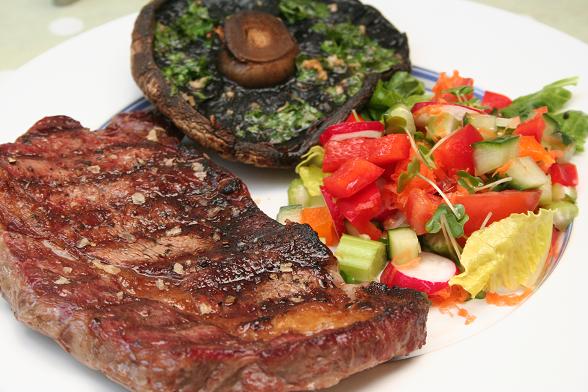
Another lovely day today, too good not to have a barbecue. After a hard day of lying around in the park, reading, sunbathing and generally not doing very much too energetic, we lit the barbecue and cooked some lovely ribeye steaks. We also cooked some mushrooms on the barbecue, topped with garlic and parsley butter.
The steaks turned out well – slightly overdone but still pink in the middle and juicy, tender and tasty. A few weeks ago, we bought some Halen Môn smoked sea salt and haven’t used it for anything yet, so we used it to season the steaks after cooking them – the salty, smokey taste worked well and complemented the barbecue taste.
We are sticking to our “let’s barbecue as often as possible this summer” plan rather well so far and the weather has been quite cooperative, which helps!


Barbecue Pizza Second Attempt
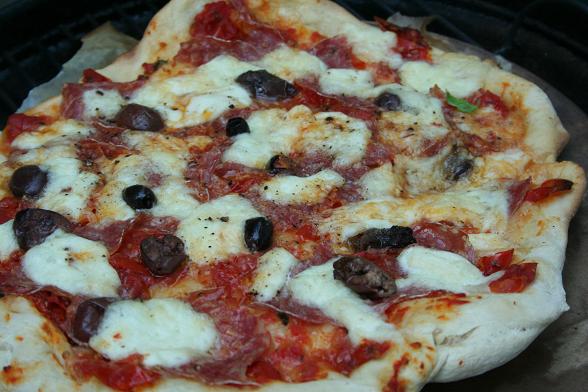
After last week’s barbecue pizza attempt which was really tastybut not perfect, we decided to try again to see if we could perfect it. We wanted the fire hotter this time, to try to get it to cook more quickly and blister the edges of the base a bit. The fire was hotter, but still not quite hot enough – we’re still sticking to general barbecue principles and letting the coals burn down before cooking on them, but I think we should put the pizza on a lot earlier than would be sensible for a normal barbecue. That said, it was still tasty and we devoured it happily. Pity the white balance on the picture isn’t great.
Roast Lamb with Orzo and Asparagus Salad
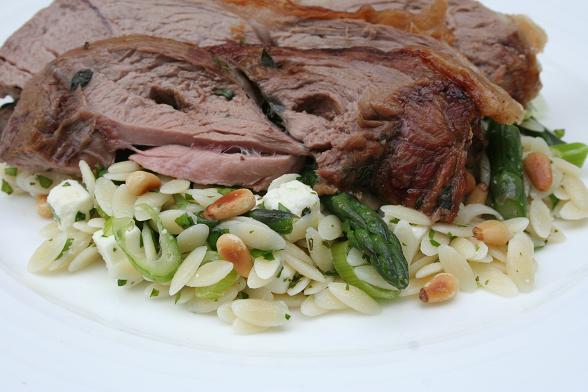
We were planning lamb chops this evening but when I got to the shop, the half legs of lamb were much cheaper so I snapped one of those up instead. Roasted in the oven with some garlic and thyme tucked into the flesh, sadly a little over-cooked though.
The orzo was dressed with olive oil, lemon juice, mint, parsley, spring onion, feta cheese, asparagus and pine nuts. It worked well as a stand-alone dish and the flavours complimented the lamb well but would have been better with couscous as the texture of the pasta just didn’t seem right with the lamb.
Crab and Asparagus Salad
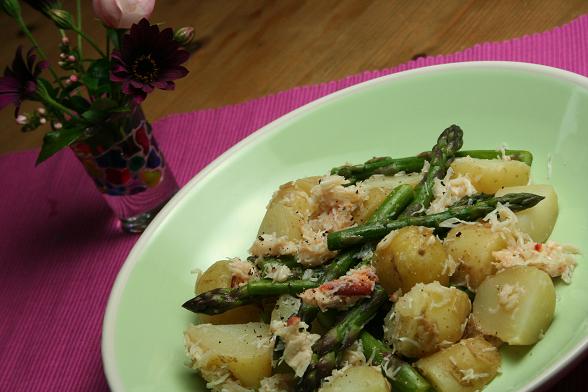
A quick and simple dinner this evening of crab and asparagus salad, planned earlier in the week when the sun was shining. We’re coming to the end of asparagus season now so we’re eating lots of it before it disappears again.
The crab was sent to us for review from Abel and Cole and was really tasty, light but full of flavour and perfect with the asparagus. The Jersey Royals were good but not as fully flavoured as they should have been. A simple ‘dressing’ of butter, lemon juice and salt and pepper brought the while thing together.
Barbecued Chicken Kebabs
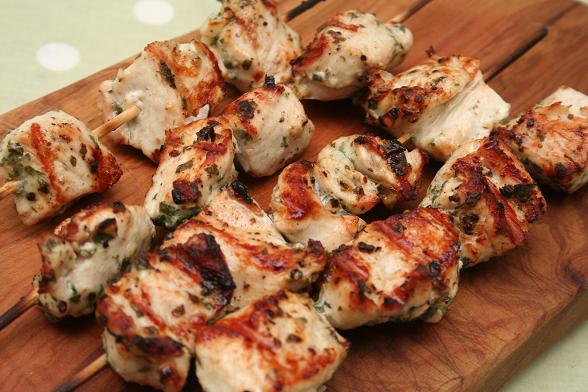
Given the success of Friday’s barbecued lamb kebabs, we tried a similar thing today with chicken. We still have loads of oregano, so used that again, with a little oil, garlic, lemon juice and salt and pepper. The weather taunted us a little, changing from bright sunshine to cloudy and back and by the time we started the barbecue it was looking a little gloomy. It was still warm enough to sit outside though, so that’s where we ate our dinner.
We were quite hungry and it turned out rather well, both of which meant that we ate pretty quickly. Which was good because we started feeling a few rain drops just as we were finishing but they didn’t bother us too much. A good way to end a lovely long weekend.
Asparagus and Proscuitto Pizza
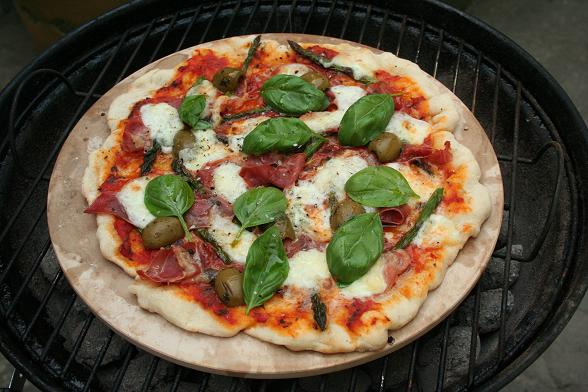
We’ve been talking about cooking pizza on the barbecue this for what seems like forever and yesterday we finally got around to it. We don’t have the space for a pizza oven in our garden and, after some lengthy research, it would appear that barbecuing pizza is the next best thing. The charcoal can be heated to a much higher temperature than a domestic oven and is therefore ideal for the short and hot cooking times needed for perfect pizza.
We opted for asparagus and proscuitto as our toppings, along with some olives and some buffalo mozarella. During my research I noted that San Marzano tomatoes are widely believed to be the best variety of canned tomatoes and luckily, I was able to find some at Whole Foods. We usually just cook down some cherry tomatoes to use as a tomato sauce for topping pizza but the canned tomatoes worked well, they were probably better in fact: fry off some garlic, add the tomatoes and some herbs (we used oregano) and cook down for 5 minutes. Five minutes may seem short but the sauce was fresh and didn’t have that stewed flavour that cooked tomatoes can have. The lightness of the sauce was a good thing as the other flavours were strong and needed something to balance them.
We were pleased with the result, the pizza was light and crispy and the flavours were well integrated; much better than the pizza we’ve made in the oven before. We left the coals for too long before adding the stone though which meant the temperature dropped and the pizza cooked for longer than is ideal. I’m hoping that if we get the pizza onto the barbecue sooner then it will cook through in just a few minutes and create blistered, crackled edges.
The Sportsman, Seasalter
The Sportsman has been on our list of restaurants to visit for a long time, years probably. We both love Whitstable and try to spend as much time as we can there in Summer, the Sportsman is just up the road in Seasalter but we never seem to stray much further than the local cafes and restaurants. This time, we booked well in advance so nothing was left to chance and we were lucky to find that Saturday was warm and sunny.
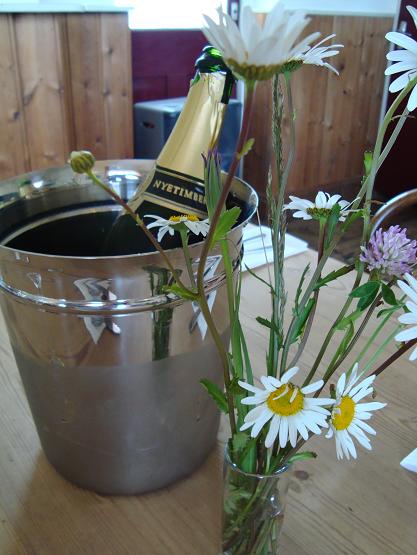
Stephen recently completed the second part of his wine diploma so, to celebrate, we started with some sparkling wine. As he’s currently studying sparkling wine for the next part of his diploma this seemed a fitting option.
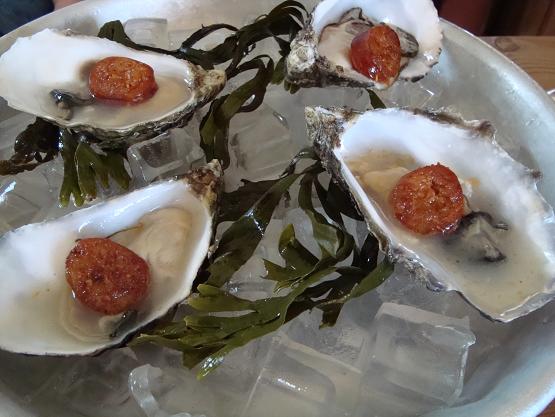
I started with some rock oysters with chorizo. Whitstable is famous for it’s oysters so this was a must-have, and they didn’t disappoint. Incredibly fresh and tasting like the sea, they went perfectly with the hot chorizo.
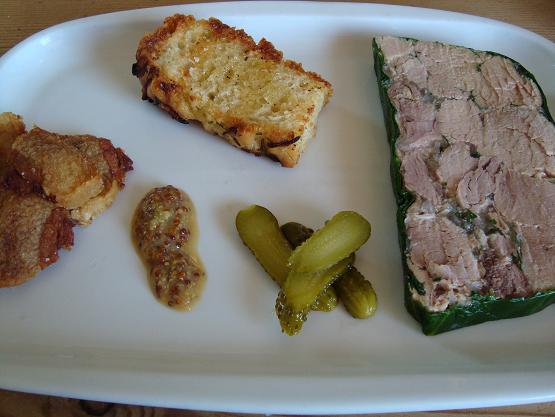
Stephen opted for the pork terrine, well, he didn’t have a lot of choice actually as I really wanted it but had already decided on the oysters. He didn’t take much persuading though and I’m pretty sure he was happy with his ‘choice’. The terrine contained lovely, large pieces of well-seasoned pork and was served with some toasted sourdough, mustard, pickles and some incredible pork scratchings which the Sprotsman is known for.
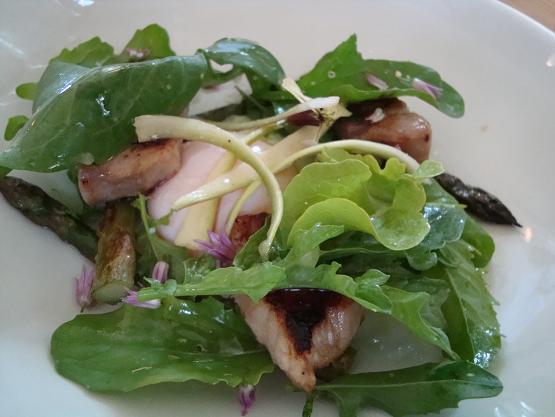
One of our friends ordered the asparagus, bacon and poached egg salad which, although I didn’t taste it, was said to be very good. The chunky, cured bacon was the star of the dish.
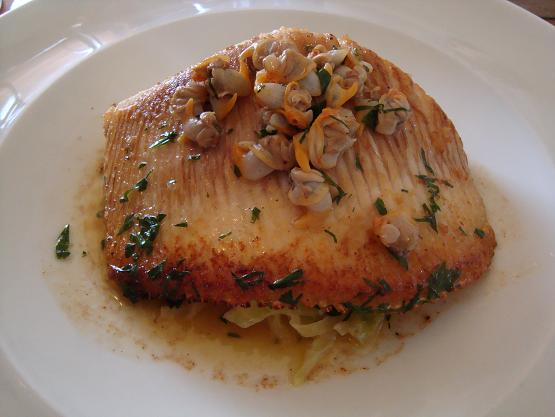
Next up was seared thornback ray, brown butter, cockles with a sherry vinegar dressing. I’d not had this kind of fish before and I really enjoyed it. It was meaty and worked well with the slightly acidic dressing. It was a huge serving, made even bigger by the cockles on top. They were good but a little over-shadowed by the ray.
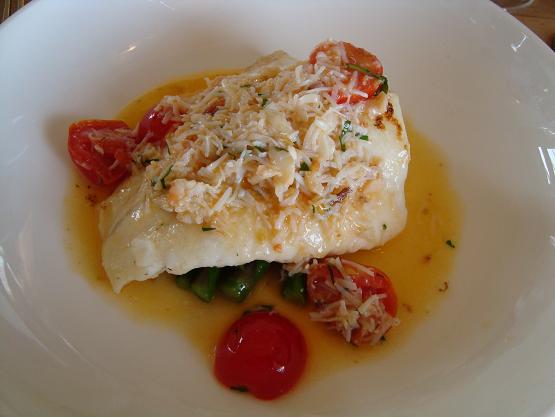
Stephen ordered the seared turbot with a crab sauce which was both meaty in texture and full of flavour. The delicate crab flavour stood up well to the turbot and the buttery sauce. I think there’s some asparagus hiding under here too.
Lastly was the lamb option which we all wanted but overlooked as we were by the sea and keen to taste the local fish. This was local lamb from Monkshill Farm just down the road in Canterbury, served with dauphinoise potatoes and a side order of shepherd’s pie.
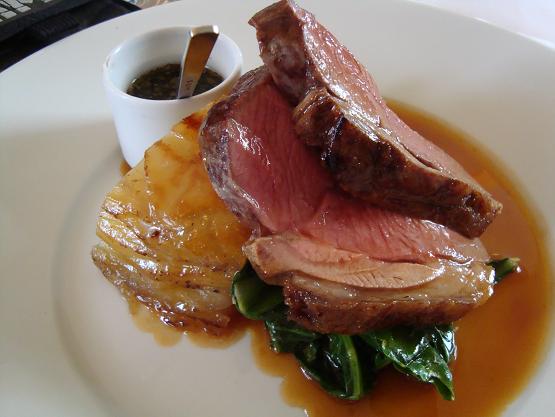
Not pictured are the elederflower ice-lollies given to the children (which we were all disappointed not to have had for ourselves) and the tiny mouthfuls of sticky, dense chocolate brownies served with coffee. We left after two hours to walk on the beach but could have happily stayed all afternoon.
Lamb Kebabs
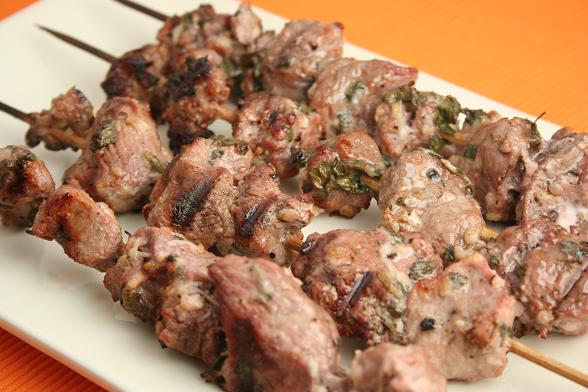
This was another meal inspired by the herbs growing outside. The oregano, like the sage, is threatening to burst out of it’s pot at any moment so we used some up with these lamb kebabs. The diced leg was marinated for a couple of hours in the oregano, along with some garlic, lemon juice, salt and pepper and olive oil before being barbecued with the lid on. We don’t usually put the lid on while cooking unless we’re doing a large piece of meat, like a leg of lamb, but this worked really well and the lamb had a great smoky flavour.
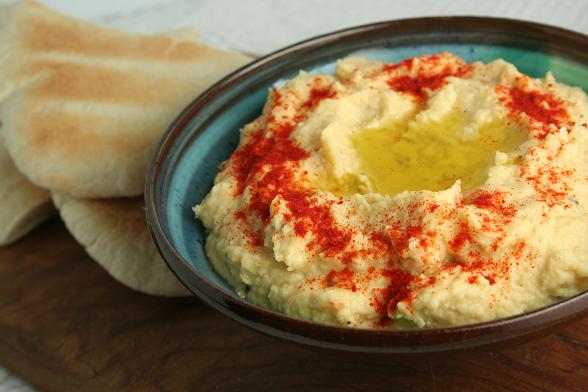
We served the lamb with some salad, pitta bread and hummus which we made according to Gourmet Chick’s recipe. It’s a version of a Jamie Oliver recipe which was much better than our previous attempts at homemade hummus but still not quite as fresh as we had hoped.
Tortilla
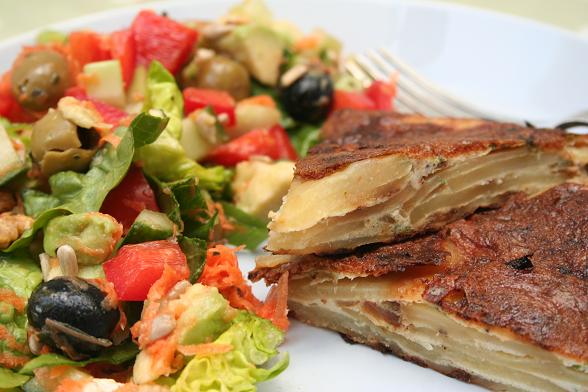
We make this fairly often but rarely eat it for dinner as Stephen normally takes it for lunch, it’s a great way of using up leftover potatoes but is a bit of a faff to make. My top tip (although not at all authentic) is to remove the onions from the pan once they’ve browned and then add the potatoes. This stops the onions from browning too much and sticking to the bottom of the pan. Having said that, I forgot to do that today and it still turned out well so perhaps it’s not really necessary.
The other faffy part is ensuring the potatoes are browned evenly as they tend to stick together a lot. Thinking about it, it might be a good idea to lay the potatoes out flat after you’ve sliced them so they dry out a little; more faffiness though.
Once you’ve covered all of this it’s actually a straightforwad dish to make; it’s important not to rush any of the stages though so it does take some time.
1 medium onion, chopped
275g thinly sliced potatoes (if you’ve got a mandolin then it’s much easier)
4 eggs, lightly whisked (just until the yolk and white have combined
Salt and pepper
Chopped parsley
Start by sauteeing the onions on a very gentle heat until they just begin to caramelise. Turn up the heat a little and add the thinly sliced potatoes and some salt and pepper. You need to make sure you keep moving the potatoes around in the pan so they brown evenly and don’t stick. Be gentle because the potatoes have a tendency to break up as they cook through.
Once the potatoes are brown, remove them from the pan into a large bowl. Add the lightly beaten eggs, a little extra salt and pepper and the parsley. Mix gently.
Heat some more oil in the frying pan and once it’s hot, add the potato and egg mixture. Cook for about 15 minutes and then flip the tortilla using a plate and a spatula. Cook for a further five minutes.
We served this at room temperature with a mixed salad which worked well. Some chorizo, squid, jamon and machego would have been really good though 🙂
Lentil Ragu
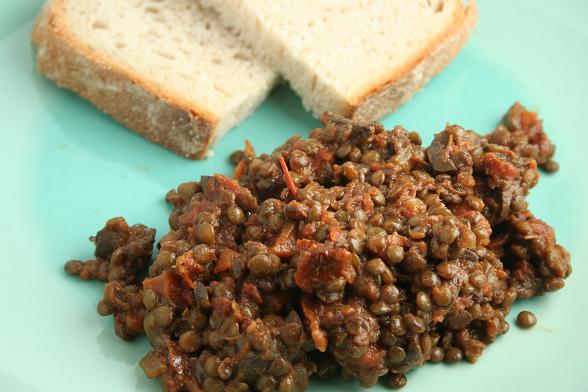
Another quick, easy and familiar offering this evening. Our teeny store-cupboard is about to burst so we’re trying to use up as many things as possible, as quickly as possible. It’s not often we base a meal around what we already have in the cupboards but it’s a great way to make room for new and interesting things, it’s cheap too.
I’ve posted this recipe before but since I’ve altered it slightly this time, I’ll post it again. I usually add bacon to this but left it out and, even though I’m a firm believer in the phrase “bacon makes everything better”, this dish really is good enough without it.
1 onion, finely chopped
2 cloves garlic, crushed
1 stick celery, chopped
2 small carrots, chopped
250g mushrooms, chopped
Large handful herbs, finely chopped (I used fresh oregano, sage, thyme and rosemary)
250g puy lentils
Salt and pepper
Nutmeg
Glass red wine
300ml vegetable stock
Worcester sauce
1.5 tins tomatoes
3 sundried tomatoes, soaked and finely chopped
Tablespoon tomato puree
Soften onion and garlic in a little olive oil. Add carrot, celery and mushrooms and soften these too. Add the herbs and cook briefly before stirring in the lentils. Once these are incorporated, season and grate in the nutmeg. Deglaze the pan with the red wine and allow the alcohol to cook out. Add the rest of the ingredients, bring to the boil and then simmer for around 40 minutes.
Each time I make this, I make a note to add more tomatoes but forget. I think two tins are required to create more of a sauce.
We ate this with some crusty bread but it’s equally good with pasta.
